Previous
Next

It’s 10 p.m., your child has started vomiting, and you’re standing in the kitchen wondering whether to wait until morning or call a doctor. You search for symptoms, compare advice from relatives, and somehow end up more confused than before.
This is exactly where a child specialist can help. The goal isn't to panic over every childhood illness, but to know when professional assessment makes sense.
Children commonly deal with colds, coughs, fever, stomach infections and minor injuries. Many settle with simple care and observation.
But medical advice is important when symptoms are persistent, severe, or keep returning. Breathing difficulty, repeated vomiting, dehydration, prolonged fever, unusual sleepiness, severe pain, poor feeding in babies, or sudden changes in behaviour should not be casually ignored.
A child specialist can also help when there are concerns about allergies, recurrent infections, nutrition, sleep, weight gain, height, development or school-related health problems.
Here's something we often tell our clients: a pediatric consultation isn't only for sick children.
Preventive visits can help track growth, vaccinations, nutrition and developmental milestones. They also give parents a chance to discuss concerns they may otherwise keep postponing.
The American Academy of Pediatrics' 2024 preventive-care recommendations continue to include regular health supervision and developmental monitoring as important parts of children's healthcare.
One family we worked with brought their child in because of repeated stomach complaints. The parents had been changing foods and trying different home remedies, assuming the problem was simply “sensitive digestion.”
After discussing the child's symptoms, eating pattern and growth, the doctor was able to guide the family toward a more appropriate evaluation and monitoring plan.
The useful lesson was simple: when the same problem keeps returning, don't just keep treating the episode—look for the pattern.
Yes, children get sick. School exposure, seasonal infections and developing immunity can all play a role.
But saying “kids are always like this” can sometimes make parents overlook something worth investigating.
You don't need a doctor's appointment for every sneeze. However, if symptoms are unusually frequent, prolonged, worsening, or affecting your child's normal eating, sleeping, playing or learning, getting an expert opinion is sensible.
A good consultation should go beyond handing over a prescription.
A child specialist should listen to the parent's observations, examine the child carefully, explain what may be happening in simple language and tell you what warning signs to watch for.
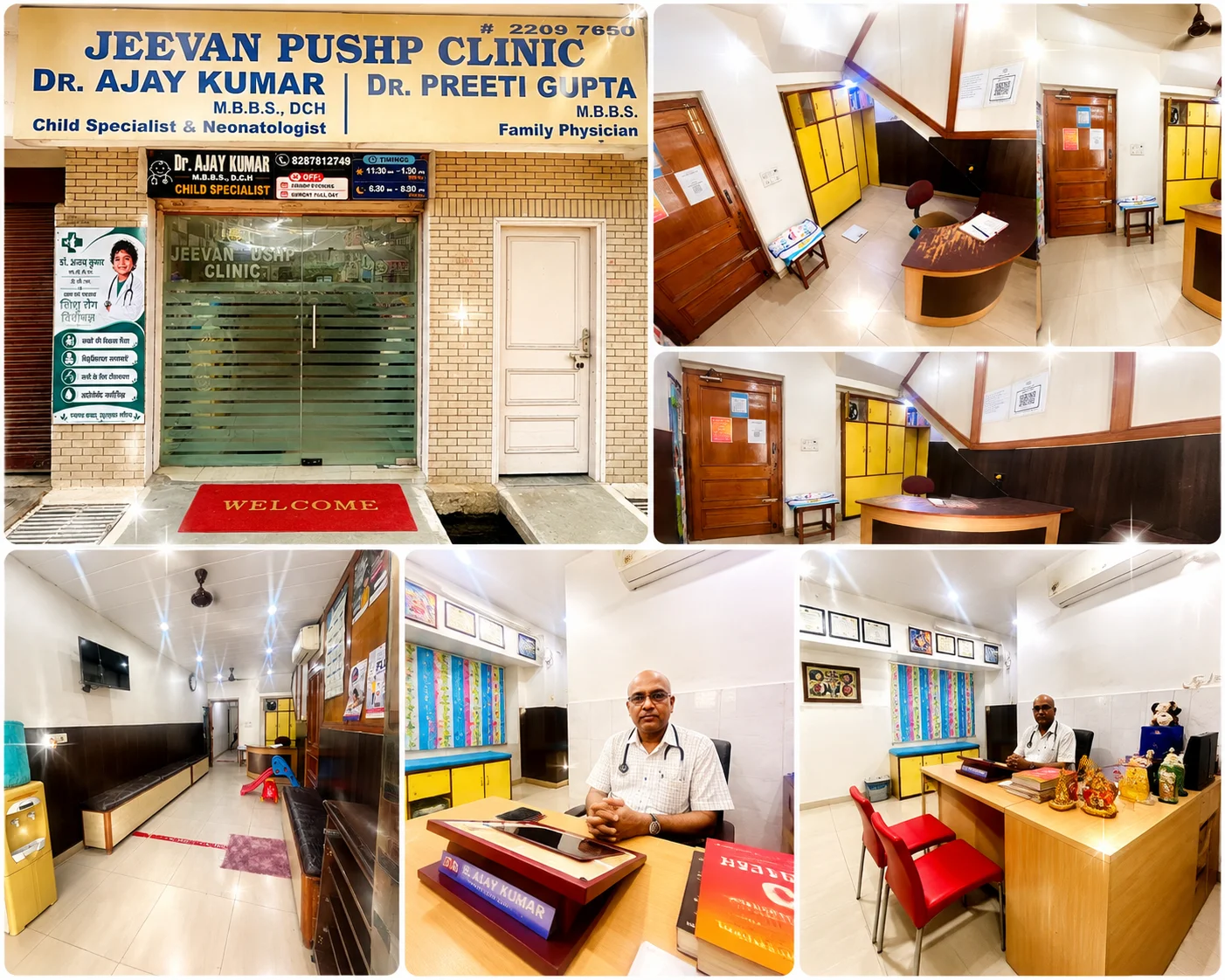
At Jeevanpushp Clinic, we believe parents should leave with clarity—not another list of things to worry about.
At Jeevanpushp Clinic, our approach focuses on understanding the child rather than treating symptoms in isolation. From common childhood illnesses to growth, nutrition and developmental concerns, we aim to give families clear guidance and appropriate follow-up when needed.
Consult one if your child's symptoms persist, repeatedly return, become worse, or affect eating, sleeping, activity or behaviour. Breathing difficulty, dehydration and unusual drowsiness need prompt medical attention.
Yes. “Child specialist” is commonly used to refer to a pediatrician—a doctor trained to care for infants, children and adolescents.
Yes. Preventive check-ups can help monitor growth, development, nutrition and vaccinations and can identify concerns early.
You don't have to wait until your child is seriously unwell before seeking professional advice.
If you're looking for a Child Specialist in Patparganj, connect with Jeevanpushp Clinic and discuss your child's symptoms, growth or development with a qualified pediatric care professional.